Your website shouldn’t just exist online. It shouldn’t be something you built once, ticked off the list, and now quietly hope is “doing its job.”
Your website should be one of the hardest-working tools in your business - supporting growth, increasing visibility, and helping you plan for what’s next, even if you’re not quite there yet.
For many business owners, a website starts as a necessity. You need somewhere to send people. Somewhere that proves you’re legitimate. Somewhere that shows what you do. But over time, the most successful businesses begin to see their website differently. It becomes a foundation. A hub. A place that quietly works in the background, supporting your business day after day.
And that shift in mindset makes all the difference.
A Website That Grows With You, Not Against You
One of the biggest frustrations I hear from business owners is that their website feels limiting. It’s hard to update. It no longer reflects what they actually offer. Every small change feels overwhelming, expensive, or risky.
Often, this happens because the website wasn’t built with growth in mind. It was designed for where the business was at that moment — not where it might be heading.
A hard-working website doesn’t need to include everything from day one. But it does need room to expand. That might mean having the ability to add new services later, build out a blog or resource section, introduce online bookings, or even move into e-commerce when the timing is right. Planning for growth doesn’t mean doing all the work upfront - it simply means laying the right foundations so your website can evolve alongside your business, rather than holding it back.
Visibility Isn’t Accidental — It’s Built In
A beautiful website is lovely to look at, but if no one can find it, it’s not doing its job.
Your website plays a huge role in how visible your business is online, especially through search engines. This is where thoughtful structure, clear messaging, and ongoing content make a real difference. Search engines favour websites that are easy to understand, regularly updated, and genuinely helpful to users.
When your website is built with SEO in mind — from page headings and metadata through to content that answers real questions — it becomes a long-term asset. Unlike paid ads, which stop working the moment you stop paying, a well-optimised website can continue attracting the right people for months or even years.
Visibility isn’t about chasing algorithms or trends. It’s about clarity. Clear services. Clear locations. Clear language that reflects how your audience actually searches for what you offer.
Supporting Growth Behind the Scenes
Not all website work is obvious to visitors — but it still matters.
Behind the scenes, your website should support how you run your business. That might include integrations with enquiry forms, booking systems, email marketing tools, or analytics that help you understand what’s working and what’s not. When these systems are set up well, your website doesn’t just look good — it actively saves you time, reduces friction, and creates better experiences for your customers.
This is especially important as businesses grow. What works when you’re wearing all the hats doesn’t always scale. A website that’s designed as a business tool can help you streamline processes, guide enquiries more effectively, and support more intentional decision-making as you move forward.
Planning for “Not Yet” Is Still Planning
One of the most powerful things a website can do is give you options.
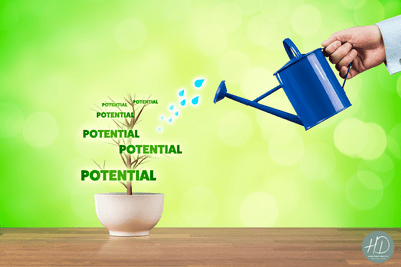
You might not be ready for online sales, advanced automation, or a full content strategy right now - and that’s okay. A strong website doesn’t force you to do everything at once. Instead, it gives you the flexibility to grow into those things when the timing feels right.
This kind of long-term thinking removes pressure. You’re not rebuilding every few years because your website no longer fits. You’re refining, expanding, and improving something that already supports your direction.
When your website is aligned with your business goals — even future ones — it becomes a quiet confidence booster. You know it’s doing its job, even while you focus on everything else.
When Your Website Feels Supportive, Not Stressful
Your website should feel like it’s on your team.
It should clearly communicate what you do and who you help. It should guide visitors toward the next step, whether that’s making contact, booking a service, or learning more. And it should feel manageable for you as the business owner — not like a fragile system you’re afraid to touch.
If your website feels confusing, outdated, or disconnected from where your business is heading, you’re not alone. Many business owners reach this point as they grow and evolve. The good news is that it’s absolutely fixable — and often, it’s less about starting over and more about rethinking how your website works for you.
Your Website Is a Long-Term Business Asset
At its best, your website isn’t just a digital presence. It’s a long-term business asset that supports visibility, growth, and smarter planning.
When it’s built with intention, clarity, and flexibility, your website becomes something you can rely on - not just today, but as your business continues to change and grow.
If this resonates, it might be a sign that your website is ready to work a little harder for you.

FAQ's
Why is my website not generating enquiries even though it looks good?
A website can look visually appealing and still struggle to convert visitors into enquiries. This often comes down to unclear messaging, weak calls to action, or a structure that doesn’t guide people toward the next step. A hard-working website clearly explains what you offer, who it’s for, and what visitors should do next — without them having to think too hard.
How often should I update my website?
There’s no one-size-fits-all answer, but a website that supports growth should be updated regularly. That might include refreshing content, adding blog posts, updating services, or improving SEO behind the scenes. Even small, consistent updates help search engines see your site as active and relevant, while also keeping it aligned with how your business is evolving.
Do I need to rebuild my website to improve performance?
Not always. In many cases, performance issues can be resolved through strategic updates rather than a full rebuild. Improving page structure, refining content, enhancing SEO, or adding the right tools can make a significant difference. A rebuild is usually only necessary when the platform or structure no longer supports your goals.
What does it mean to plan a website for growth?
Planning for growth means building your website with flexibility in mind. You may not need online bookings, e-commerce, or advanced automation right now, but your website should allow for those options in the future. This approach saves time and cost long term, and ensures your website evolves alongside your business instead of holding it back.
How does SEO fit into a long-term website strategy?
SEO isn’t a one-off task — it’s an ongoing process. A strong website strategy includes clear page structure, relevant keywords, helpful content, and regular updates. Over time, this builds visibility and trust with search engines, helping your website attract the right people organically rather than relying solely on paid advertising.
How do I know if my website is actually working for my business?
A working website supports your goals. It attracts the right visitors, generates enquiries, communicates your value clearly, and feels easy for you to manage. If your website feels confusing, outdated, stressful to update, or no longer reflects your business, it’s usually a sign that it’s not working as hard as it could be.
Ready for Your Website to Work a Little Harder?
Your website should feel like a supportive part of your business — not something you avoid, overthink, or apologise for.
If your website feels outdated, hard to manage, or no longer reflects where your business is heading, it may be time for a rethink. The good news? You don’t need to have everything figured out to take the next step.
Whether you’re considering a new website, planning for future growth, or simply want ongoing support to keep things running smoothly, we can talk through what makes sense for you right now.
✨ Book a strategy chat or get in touch to explore how your website can better support your business — today and into the future.